Services

Keep moving with wellness and recovery services.

Explore additional ways to support your activity and wellbeing, and ask your local clinic about current options, availability, and pricing.

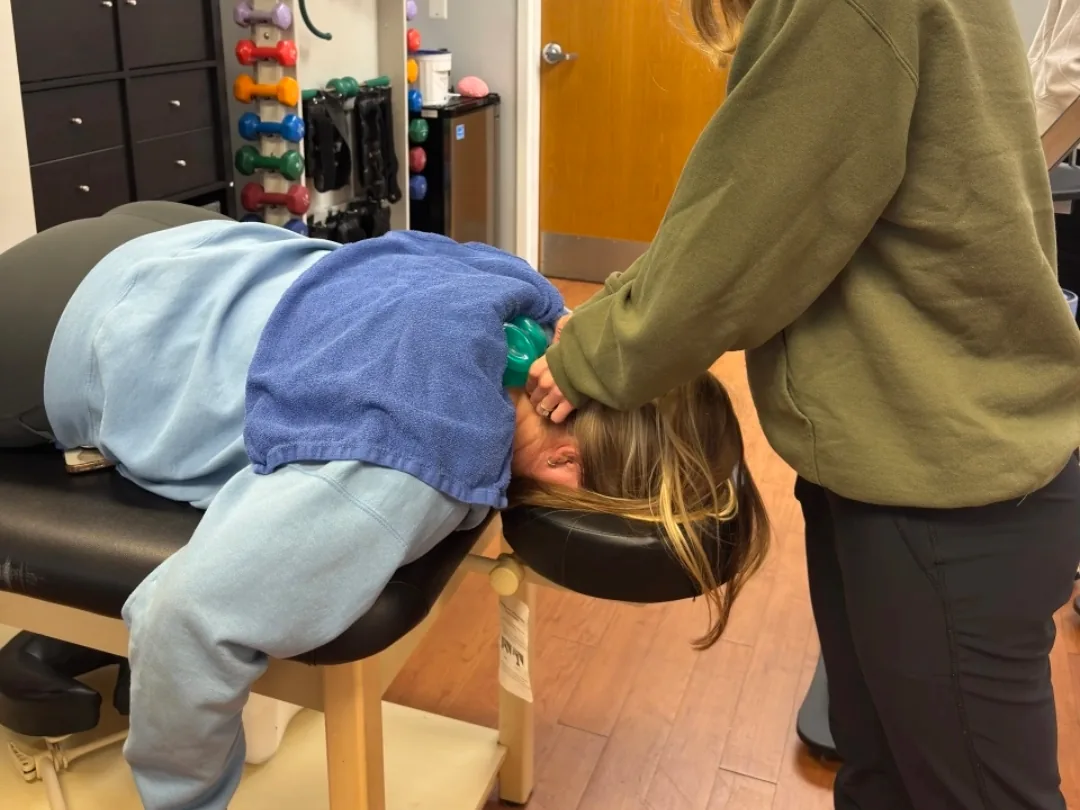
Cupping therapy applied to the upper back on a treatment table.

Overview

Some recovery and wellness services at Fusion are offered outside health insurance. Whether you have finished a course of physical therapy, trained hard, or want to support your overall wellbeing, these options may help.

Availability varies by clinic. Ask your clinic about current options and pricing.

Recovery options

Recovery services help you recover from a hard workout, ease stiffness or simply relax. The options below are described on Fusion's pages; availability varies by clinic.

Cold compression

Cold compression combines cooling with pressure on an injured or sore area to help manage swelling and discomfort after activity, injury or surgery.

Who Benefits Most from Cold Compression Treatment?

Our cold compression protocols work well for patients with:

  • Sports injuries – sprains, strains, contusions
  • Post-operative discomfort and swelling
  • Osteoarthritis flare-ups
  • Repetitive overuse injuries – tendonitis, bursitis
  • Motor vehicle accidents and trauma recovery
  • Acute and chronic back pain or neck strains

We also frequently help weekend warriors recovering from accidents and those managing nagging sports injuries like tennis elbow or jumper’s knee. Any condition characterized by painful inflammation and swelling finds relief through cold compression therapy.

FAQs About Cold Compression Therapy

  • Sprains, strains, and contusions from accidents and sports
  • Post-surgical edema and hematoma reduction – knees, shoulders, hips
  • Symptom relief for arthritis flares and fibromyalgia
  • Recovery from repetitive overuse injuries like tendonitis or bursitis
  • Motor vehicle accidents and significant injury trauma
  • Chronic low back, neck, nerve pain, and musculoskeletal issues

Essentially any condition characterized by painful inflammation or impaired function due to swelling can find relief through the synergistic mechanisms cold compression leverages. From weekend warriors to arthritis sufferers, the vast majority achieve progress with this non-invasive modality.

Questions about cold compression

What conditions is cold compression therapy used for?

Cold compression protocols can provide therapeutic benefits for a diverse range of traumatic injuries, post-operative swelling, and chronic inflammatory conditions including:

What are the main mechanisms stimulating faster healing?

Cold therapy constricts local blood vessels and lowers tissue temperature, providing temporary pain relief while reducing cellular metabolism and oxygen demand. This helps limit secondary damage from the initial injury event. Intermittently applying compression then increases tissue pressure to minimize blood pooling while flushing inflammatory irritants and deoxygenated blood away quicker through the lymphatic system. This rapid removal of debris makes room for freshly oxygenated blood to flow back in loaded with nutrients and healing factors to expedite repair. The combined vasoconstriction also prevents leaky capillaries from accumulating excess fluid and swelling. Reduced edema allows a fuller range of motion during recovery. Stimulating circulation alternately also triggers remodeling phases sooner.

Does cold compression impact inflammation long term?

Absolutely – the acute anti-inflammatory effects of cold and intermittent compression help resolve inflammatory phases faster so cells can progress into proliferation and remodeling stages quicker. Rampant inflammation that persists too long delays healing and causes excess collateral damage. By controlling swelling early on and facilitating lymphatic drainage, tissues heal in an optimal microenvironment with the necessary regenerative tools available right when cells need them. This prevents excessive fibrotic scarring as well. Patients report continued benefits long after formal therapy ends by continuing home care and preventing future flare-ups.

Cryotherapy

Cryotherapy exposes the body, or one area of it, to very cold temperatures for a short time as a recovery option. Ask the team what is currently offered before scheduling.

More about cryotherapy

Who Can Benefit from Cryotherapy?

Cryotherapy caters to both high-level athletes looking to boost performance as well as weekend warriors hoping to expedite injury recovery. We frequently help individuals managing chronic conditions too, including:

  • Osteoarthritis, rheumatoid arthritis, fibromyalgia
  • Tendonitis, bursitis, and overuse injuries
  • Post-surgical rehabilitation
  • Inflammatory skin conditions like eczema or psoriasis
  • Autoimmune and thyroid disorders
  • Anxiety, depression, and persistent fatigue

Essentially anyone dealing with chronic aches and pains, reduced mobility, or decreased energy can find therapeutic value from the multi-systemic effects of cold exposure and subsequent recovery assistance cryotherapy provides. Let us help you live your healthiest life with improved functionality.

What To Expect During a Cryotherapy Session

After scheduling your initial session, our clinicians will discuss your health history and goals to tailor a specific session plan for you. You change into gloves, socks, and shoes to cover your extremities before entering chambers for whole-body therapy. Technicians monitor constantly and have full control to adjust temperatures or immediately cease sessions if needed, though continuing updates keep patients comfortable. Bone-chilling cold blasts the skin surface initially before an equilibrium develops protected by insulation, triggering thermal-regulatory mechanisms deep within. Most patients find 3 minutes the maximum tolerable which provides benefits. Immediately after, expect a euphoric rush and wave of heat as your system rebounds blood back out to tissues with positive hormones. Any muscle stiffness fades within minutes while the lesser inflammation and swelling take hours to maximize effects. With basic cryotherapy being so safe, easy, and a rapid pick-me-upper without crashes later, why not give it a try?

Questions about cryotherapy

What conditions is cryotherapy used for?

Chronic pain, arthritis, injuries, eczema, and autoimmune conditions find relief with cryotherapy’s anti-inflammatory effects. Fitness enthusiasts also use it to boost results.

How painful is the actual cryotherapy treatment?

It can feel painfully cold initially but technicians never leave you alone, monitoring tolerance and safety. Discomfort fades as endorphins kick in. Most find the brief cold burst exhilarating.

What are the cons of cryotherapy?

Potential overexposure risks exist if performed incorrectly but our advanced equipment and certified staff prevent this. Some may experience temporary numbness or nerve sensitivity that quickly resolves.

Pneumatic compression

Pneumatic compression uses inflatable sleeves that apply rhythmic pressure to the legs to help them recover after a hard workout or other strenuous activity.

Slide into our recovery air system to allow your lower extremities the relaxation they need after being pushed hard during a workout or other strenuous activity.

Benefits of compression therapy include:

  • Boost circulation
  • Reduce muscle soreness
  • Decrease swelling and stiffness
  • Relieve muscle fatigue

Theragun massage

Percussive massage with a handheld Theragun device to ease muscle tightness after exercise, activity or everyday stress.

Relieve the tightness your muscles feel after exercise, activity or just the everyday stresses of life. Our use of the Theragun will allow your stress and tension to melt away.

Benefits of theragun include

  • Reduce pain
  • Increase blood flow
  • Break up scar tissue
  • Decrease lactic acid
  • Improve Range of motion

Paraffin

Warm paraffin wax applied to the hands as a form of heat therapy, which may help relieve pain and stiffness for people with arthritis or other joint conditions.

Paraffin wax may be used to help relieve pain in the hands of people with:

It acts like a form of heat therapy and can help increase blood flow, relax muscles, and decrease joint stiffness. Paraffin wax can also minimize muscle spasms and inflammation as well as treat sprains.

Cupping

Cupping places suction cups on the skin to increase blood flow to an area and ease muscle tension.

Cupping is an alternate therapy method that involves applying suction on different parts of the body. The suction is applied using special cups that are designed for that purpose, which is where the method got its name.

Cupping increases blood circulation to the area where the cups are placed. This may relieve muscle tension, which can improve overall blood flow and promote cell repair. It may also help form new connective tissues and create new blood vessels in the tissue.

Dry needling

Dry needling is performed by physical therapists with additional training in the technique. See the dedicated dry needling page for the full description.

Dry needling is an advanced and skilled intervention that is performed by physical therapists who have completed extensive continuing education in this topic. For more information please see:

Dry Needling In Virginia

Massage therapy

Massage therapy is offered at our Fredericksburg clinic. Contact the Fredericksburg team for scheduling and current pricing.

Massage therapy sessions are scheduled directly with the Fredericksburg clinic, separately from physical therapy visits and from the Theragun massage option on this page.

Personal training

Personal training is offered at our Fredericksburg clinic: one-to-one sessions built around your goals, outside of physical therapy. Contact the Fredericksburg team about options, scheduling and current pricing.

More about personal training

Benefits: How Personal Training in Virginia Helps You

While personalized guidance advances nearly any fitness routine or regimen, key advantages of one-on-one training include:

1. Individualized Attention and Support
Your dedicated trainer focuses solely on you throughout sessions – not dividing efforts between large classes or sharing equipment like public gyms. Their undivided attention means sessions revolve around providing encouragement, answering questions and ensuring proper exercise form.

2. Accountability and Motivation
Consistent attendance is crucial for outcomes. But even the most driven individuals struggle with motivation. Your trainer acts as your accountable partner, tracking metrics, celebrating small wins, troubleshooting setbacks and instilling that nudge of accountability to stick the program out until goal achievement.

3. Efficient and Effective Workouts
Expert coaching on correct workout design prevents wasted effort on misguided activities. Targeted programming aligns directly to your body and goals for enhanced results in less time. Trainers also educate on strategy adjustments needed to break frustrating plateaus.

4. Education and Empowerment
Beyond creating your exercise routines, trainers share nutritional direction plus evidence-based knowledge so you understand the “why” behind program components. Increased fitness wisdom empowers you to eventually take ownership of your plan.

Our Personal Training Options Offered

All personal training begins with a thorough consultation and assessment. We then tailor ongoing sessions based your individual needs and preferences through these main programs:

Partner Personal Training
Train alongside a friend or loved one for extra social motivation. Sessions retain a 2:1 client to trainer ratio ensuring ample individual attention while allowing accountability partners to progress together on their fitness journeys.

Hybrid Personal Training
For ultimate customization, hybrid programs combine one-on-one and small group sessions matching your weekly fitness priorities and budget. You gain specialized individual guidance reinforced through group training workouts.

Questions about personal training

What is included with personal training?

Certified fitness experts guide each session tailored to your goals through coaching on proper exercise techniques, movement pattern analysis, athletic conditioning, lifestyle modification and more based on your custom programming.

How long should I workout with a personal trainer?

We recommend consistent personal training for 8-12 weeks to establish secure foundations through muscle memory before attempting to self-direct workouts. Continued maintenance training is ideal for most clients 2x monthly.

What styles of personal training do you offer?

Choose from options like resistance/strength building, HIIT cardio conditioning, functional training using bodyweight and bands, athletics-inspired, pre/post natal and more – always adapted to your current fitness levels and health needs.

Where to find this care

Physical therapy is offered at every Fusion clinic. Contact your clinic to ask about this service and the best place to start.

    Related reading

    Ready to talk with your local team?

    Choose your clinic and send a request. The team will follow up to discuss scheduling and your questions.