
Everyday movement · July 21, 2026
Physical therapy for desk-related back and neck pain
Explore how Fusion approaches desk-related discomfort, movement, and the demands of the modern workday.
What we treat
Find information about back-related pain and learn what to discuss with your Fusion team.
Whether sharp localized aches or numbness/tingling radiating through the legs, problematic spinal symptoms demand prompt attention before escalating to more debilitating levels. However, determining optimal solutions can feel puzzling amidst conflicting advice.
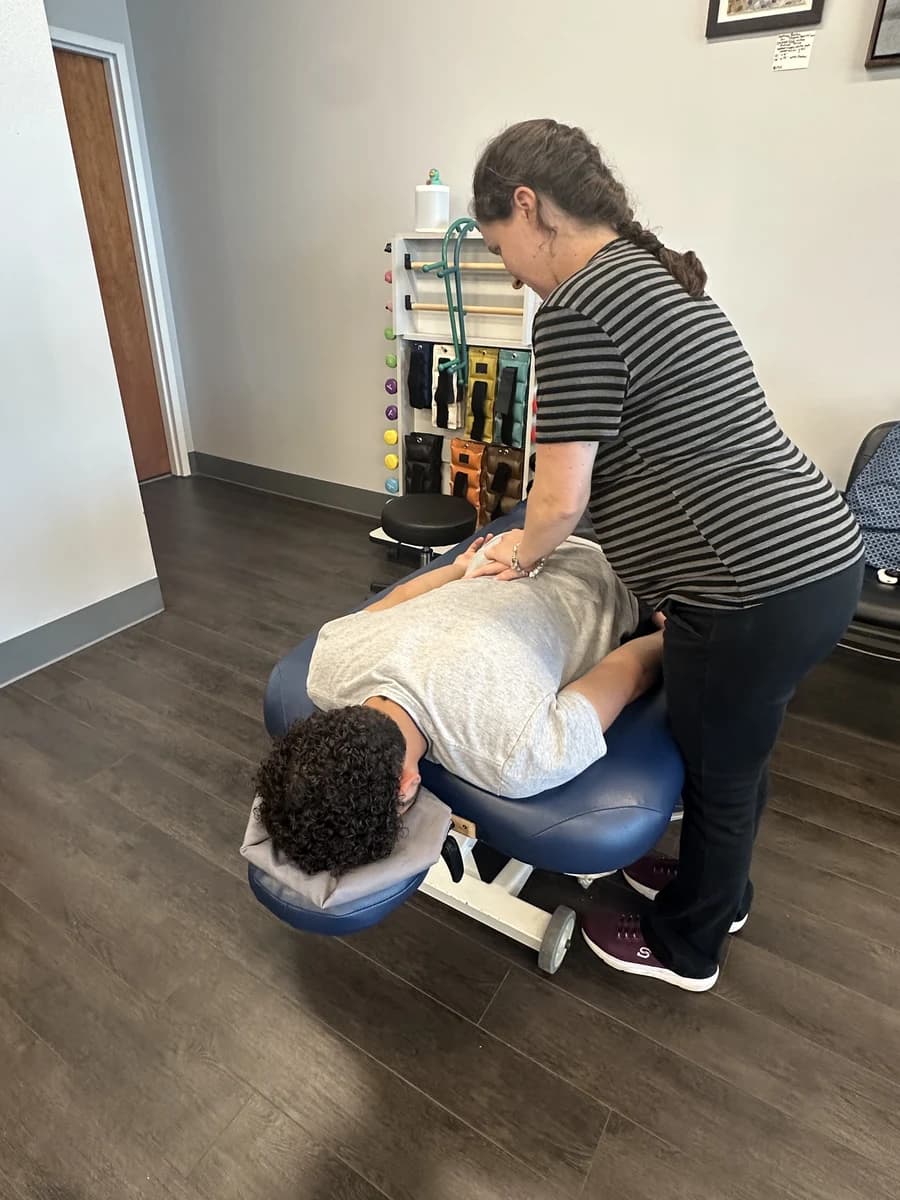
The integrated care team at Fusion Rehab and Wellness brings clarity to back and nerve pain relief by pinpointing root causes and then delivering customized, progressive treatment combining gentle hands-on care with self-care education for sustained comfort.
The intricate spinal anatomy contains layers of delicate structures vulnerable to strain that manifest in painful ways when irritated including:
Herniated/Bulging Discs
Sciatic Nerve Compression
Facet Joint Dysfunction
Muscular Trigger Points
Of course most patients present with multidimensional symptoms from various interrelated sources. Our holistic perspective identifies all contributing elements during evaluations so they can be addressed through customized care for lasting relief.
Clarifying the precise generators of symptoms is crucial for effective treatment. Our thorough assessment process aims to accurately classify the primary drivers of your discomfort so we can match appropriate therapeutic interventions for lasting relief.
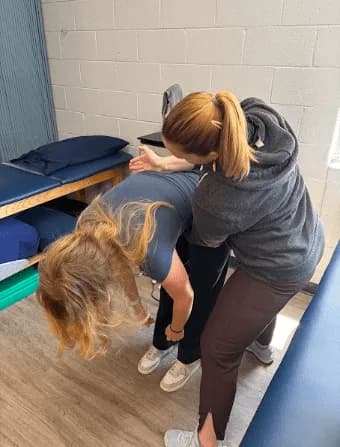
We will perform a series of orthopedic examinations evaluating factors like range of motion limitations, nerve tension signs, localized pain to palpation, and other system testing. Postural assessments analyze usual standing and sitting positions that may be contributing to misaligned spinal structures and muscular strains. Gait evaluations check for limping or asymmetric stance shifts indicating possible muscular imbalances or side dominance related to the painful area. We also review any relevant advanced imaging detailing spinal joint integrity or disc morphology available.
These quantifiable examination findings allow our team to pinpoint the underlying structures involved and the degree to which they are disrupting balance and mobility. This clarity guides the customization of targeted treatment plans.
We design customized treatment plans that judiciously leverage various disciplined approaches based on your specific pain drivers and lifestyle factors to alleviate discomfort while also shortening recovery timeframes.
Interventions may include:
With consistent application of the right interventions matched to your unique back pain/sciatica diagnosis, rapid increases in daily function and stamina typically occur. Our supportive team helps guide progression each step of the way towards resumed activity levels.
An individual care plan for pain, injury, recovery, and everyday movement.
Hands-on treatment plus supporting techniques such as cupping, taping, and ultrasound.
A treatment technique your therapist may use for muscle tension and movement restrictions.
While complete sciatica relief may take weeks depending on severity, chiropractic decompression significantly eases pressure and inflammation on the sciatic nerve typically in just a few visits using gentle positioning assisted by muscle relaxation. Pain decreases quickly.
Sciatica shooting pains often feel ‘electric’ down the leg in a path-like pattern including into the foot and toes rather than just sore, stiff muscle discomfort. Specific assessment tests like straight leg raise that recreate these unique symptoms confirm sciatic nerve involvement.
Actions like extended sitting on hard surfaces, forceful spinal twisting or wearing bulky wallets compressing nerves rapidly intensify sciatica symptoms. Maintaining good spinal flexibility through frequent movement, targeted stretches and posture awareness helps keep symptoms quiescent.
Top at-home sciatica remedies include applying cold packs to effectively numb acute sore areas, performing nerve mobility exercises like knee pulls into the chest, using ergonomic lumbar cushions, and frequently shifting positions between sitting, standing, and walking to prevent compressed nerve aggravation.
Everyday movement · July 21, 2026
Explore how Fusion approaches desk-related discomfort, movement, and the demands of the modern workday.
Choose your clinic and send a request. The team will follow up to discuss scheduling and your questions.