
Everyday movement · July 21, 2026
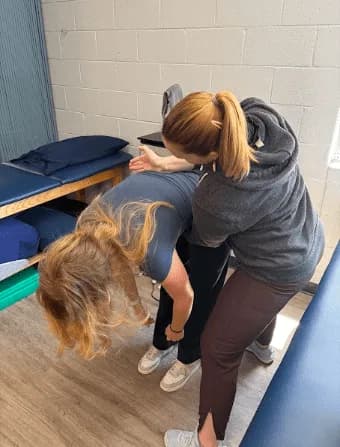
Physical therapy for desk-related back and neck pain
Explore how Fusion approaches desk-related discomfort, movement, and the demands of the modern workday.
What we treat
Find information about these concerns and contact Fusion to discuss evaluation and care options.
Find information about these concerns and contact Fusion to discuss evaluation and care options.
Learn how physical therapy may be considered for some headache types. Not every headache has a musculoskeletal cause; your therapist can help you decide on the right next step.
Are constant headaches disrupting your life? Whether it’s tension headaches, migraines, or cervicogenic headaches, the pain can be unbearable—interfering with work, sleep, and daily activities. While medication may provide temporary relief, it doesn’t fix the root cause.
At Fusion Rehab and Wellness in Virginia, our expert physical therapists offer drug-free, personalized treatments that eliminate headaches at their source. Using advanced manual therapy, targeted exercises, and postural correction, we relieve pain and help you break free from recurring headaches—without relying on medication.
Most headaches aren’t just random—they stem from muscle tension, poor posture, and joint dysfunction in the neck and shoulders. Physical therapy attacks these triggers directly, helping to:
This approach works for:
Unlike quick-fix painkillers, physical therapy gives you long-term relief—so you’re not trapped in a cycle of pain.
Comprehensive Headache Assessment
During your initial appointment, we conduct a full-body evaluation to identify the root causes of your headaches. Our assessment focuses on muscle tension and joint dysfunction in the neck and shoulders, posture and spinal alignment that could trigger headaches, neck mobility and strength to detect weaknesses, and lifestyle or ergonomic factors that might be contributing to the problem.
We also take the time to review your symptoms, pain patterns, and the impact on your daily life to create the most effective treatment plan for you.
Customized Treatment Plan
Based on the evaluation, we develop a personalized strategy to eliminate headaches and prevent them from recurring. Your treatment plan may include manual therapy to relieve muscle tightness and improve mobility, therapeutic exercises to strengthen neck and shoulder muscles, postural correction to prevent tension buildup, and education on headache prevention techniques for long-term relief.
Treatment sessions typically last 30–60 minutes, with the frequency adjusted to fit your specific condition and needs.
Many patients feel relief within 4–6 weeks, with significant long-term improvements in 3–6 months of consistent therapy.
We treat cervicogenic headaches, tension headaches, and migraines worsened by neck tension.
Yes! Physical therapy complements medications, chiropractic care, and other treatments—especially for severe migraines.
We may advise temporary adjustments for activities that trigger headaches, but you’ll stay as active as possible.
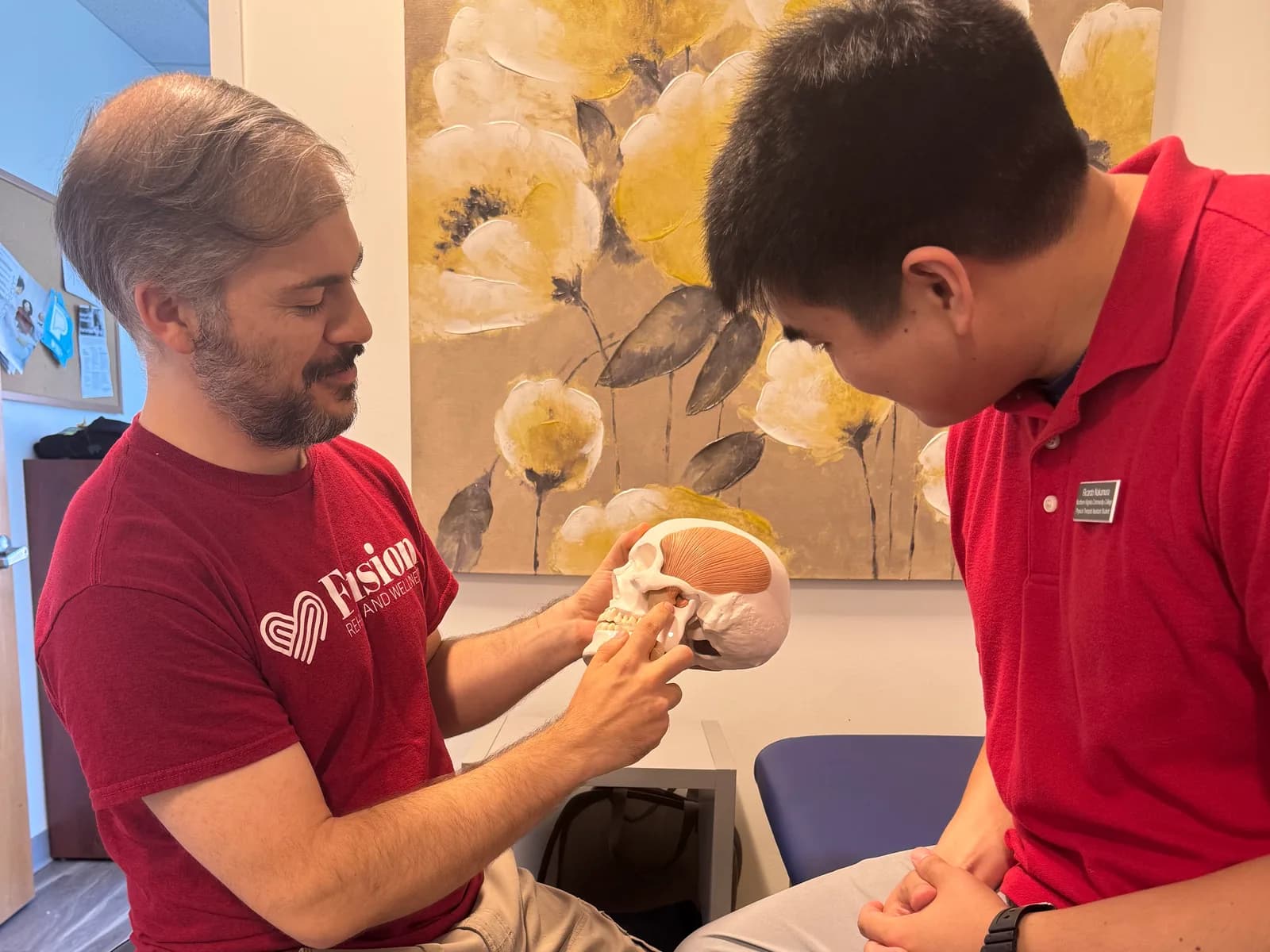
Find information about jaw pain and temporomandibular concerns and how physical therapy may be part of care.
Jaw pain, headaches, or difficulty chewing shouldn’t be part of your daily life. If you’re experiencing these symptoms, temporomandibular joint disorder (TMJ/TMD) may be the cause. This condition affects millions of people, yet it often goes undiagnosed or misdiagnosed as migraines or dental issues.
At Fusion Rehab and Wellness, we specialize in targeted TMJ/TMD treatment to provide lasting relief. Instead of offering short-term fixes, our approach addresses the root causes of your symptoms—helping you regain comfort, restore jaw function, and prevent future flare-ups.
TMJ/TMD can be misinterpreted as other conditions, such as migraines, toothaches, or ear infections. If you experience any of the following symptoms, physical therapy may help:
Because TMJ/TMD symptoms often worsen over time, early intervention is key to preventing long-term joint damage and chronic discomfort.
Every TMJ/TMD case is unique, which is why a one-size-fits-all approach doesn’t work. At Fusion Rehab and Wellness, we create customized therapy plans tailored to your symptoms, lifestyle, and recovery goals.
1. Hands-On Therapy for Pain Relief
Our hands-on approach focuses on relieving jaw and neck discomfort through targeted techniques. Manual therapy helps release tight muscles, joint mobilization improves alignment and function, and gentle stretching restores range of motion while reducing tension. These therapies work together to alleviate pain, enhance mobility, and promote lasting relief.
2. Strengthening & Functional Training
Our therapy focuses on improving jaw stability and function through targeted exercises. Therapeutic exercises help stabilize and support jaw movement, postural retraining corrects muscle imbalances that contribute to jaw pain, and neuromuscular re-education prevents abnormal jaw mechanics. These techniques work together to promote proper movement, reduce discomfort, and support long-term relief.
3. Long-Term Prevention & Tension Reduction
We focus on sustainable strategies to prevent recurring jaw pain and tension. Relaxation techniques help reduce stress-related jaw clenching, while education on proper habits minimizes unnecessary strain. Custom home exercise plans support ongoing improvement, ensuring long-term relief and better jaw function.
By addressing the underlying causes of TMJ/TMD, our treatment helps you eliminate pain, restore function, and prevent future episodes.
TMJ refers to the temporomandibular joint itself, while TMD (temporomandibular disorder) describes dysfunction in the joint, surrounding muscles, or nerves.
Some mild cases improve over time, but many require treatment to prevent chronic pain, joint deterioration, or worsening symptoms.
Yes. If left untreated, TMD can lead to chronic pain, restricted jaw movement, poor sleep, and long-term joint dysfunction.
Your initial evaluation includes a comprehensive assessment of your jaw movement, muscle tension, posture, and medical history. Based on our findings, we develop a personalized treatment plan, and many patients experience relief after their first session.
Hands-on treatment plus supporting techniques such as cupping, taping, and ultrasound.
A treatment technique your therapist may use for muscle tension and movement restrictions.
An individual care plan for pain, injury, recovery, and everyday movement.
Everyday movement · July 21, 2026
Explore how Fusion approaches desk-related discomfort, movement, and the demands of the modern workday.

Pelvic health · November 25, 2025
Perimenopause neck and shoulder pain affects up to 70% of women during their transitional years, yet many don’t realize their hormonal changes are the culprit behind their persistent aches.
Choose your clinic and send a request. The team will follow up to discuss scheduling and your questions.